
Google Promises Fix for Android 17 Beta Stuck Users
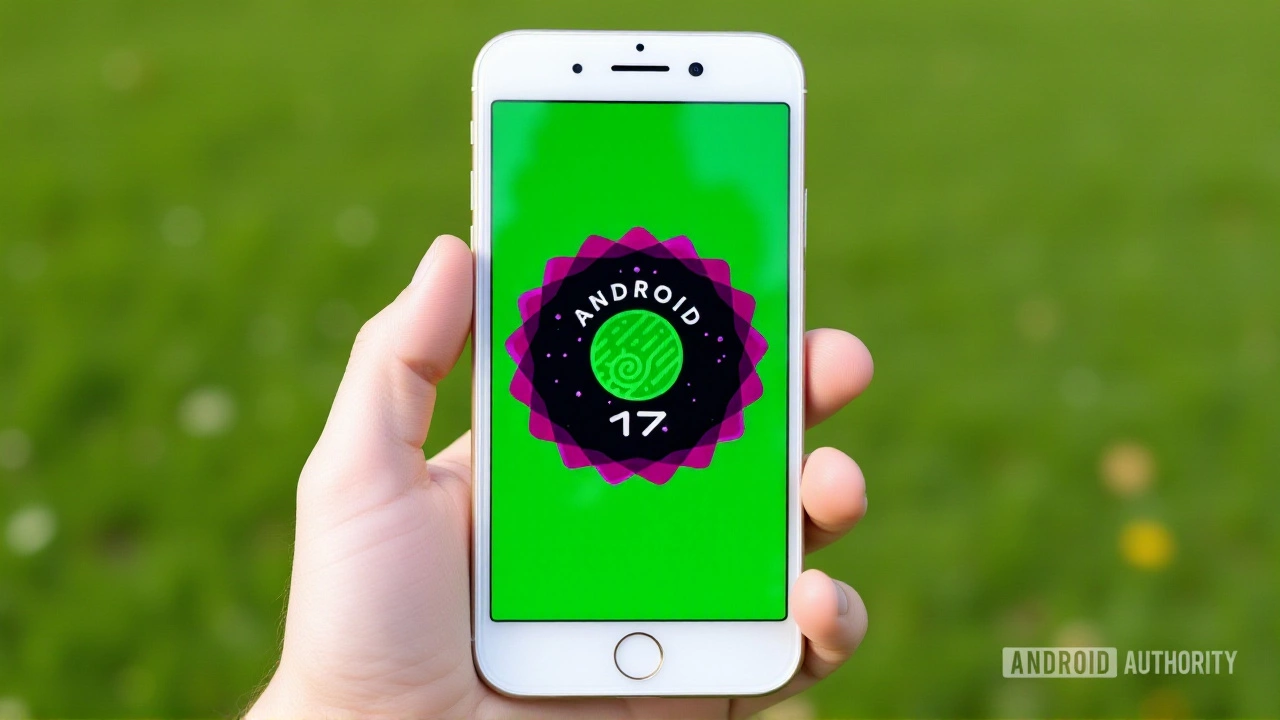
It’s a nightmare scenario for any tech enthusiast: you eagerly install the latest preview of a major operating system, only to find your device locked in limbo. That’s exactly what happened to early adopters testing Android 17, with reports flooding in that testers were stuck on beta builds with no easy way out. But here’s the good news—Google has officially confirmed that a fix is on its way.
The issue emerged shortly after the initial rollout of the developer preview and public beta tracks. Users reported that once their devices enrolled in the beta program, they couldn’t easily revert to stable software or progress to newer builds without wiping their data—a frustrating hurdle for those relying on their phones for daily tasks. The confirmation from Mountain View signals that the engineering team is actively working on an over-the-air (OTA) solution to resolve these enrollment glitches.
The Beta Enrollment Glitch
Here’s the thing about beta testing: it’s supposed to be a two-way street. You give feedback; Google fixes bugs. But when the process itself breaks, trust erodes quickly. In this case, the problem wasn’t just a minor UI glitch or a battery drain issue—it was a fundamental breakdown in how devices communicated with Google’s update servers regarding beta status.
Testers using flagship hardware like the Pixel 8 and Pixel 9 series found themselves trapped. Some users described seeing error messages during attempted updates, while others noticed their settings menu still indicated they were on the beta track even after trying to opt out. The inconsistency was baffling. One user on X (formerly Twitter) posted, “My phone thinks it’s on Android 17 beta, but the build number says otherwise. I can’t go back, I can’t move forward. Help.”
This isn’t just an inconvenience for hobbyists. Many developers rely on these early builds to test app compatibility before official releases. If the testing environment is unstable, it delays the entire ecosystem’s readiness for the final launch. The stakes are high, which is why Google’s quick acknowledgment matters so much.
Why This Matters Beyond the Tech Circle
You might wonder why a beta bug should concern anyone who doesn’t tinker with code. Think of it this way: every major Android update starts as a beta. The issues caught now prevent them from hitting millions of regular users later. If Google can’t manage the transition for 100,000 testers, what happens when 1 billion users get the update?
The ripple effect extends to app developers too. Companies like Spotify, Instagram, and banking apps need to ensure their services work smoothly on new OS versions. A broken beta cycle means delayed testing, which means potential crashes for everyone else down the line. It’s a domino effect that starts with a single stuck pixel phone.
What’s Next for Testers?
Google hasn’t provided an exact date for the patch yet, but sources familiar with the development cycle suggest it could arrive within the next week via a standard OTA update. Until then, affected users are advised to avoid manually flashing factory images unless they’re comfortable with advanced troubleshooting steps. Wiping data remains the most reliable—but least desirable—workaround for now.
The company also reiterated its commitment to transparency, promising weekly status updates on the Android Developers Blog. This approach mirrors their handling of previous beta hiccups, such as the notification shadowing issues seen in earlier Android 14 previews. Consistency in communication helps maintain community trust, even when things go wrong.
A History of Beta Bumps
This isn’t the first time Android betas have stumbled. Remember the Wi-Fi connectivity drops in Android 13’s early days? Or the camera app crashes that plagued Android 12L tablets? Each incident taught Google valuable lessons about quality assurance and rollback mechanisms. The key difference this time is speed. Acknowledging the problem publicly within 48 hours shows a maturing support structure.
Historically, beta programs serve as stress tests for both hardware and software. They reveal edge cases that internal QA teams miss. When those tests fail spectacularly, as they did here, it’s actually a sign the system is working as intended—catching errors before they reach the mainstream. The real failure would be ignoring the problem until launch day.
Frequently Asked Questions
Will I lose my data if I wait for the fix?
No, waiting for the official OTA fix will not result in data loss. The current workaround recommended by some forums involves wiping the device, but Google’s upcoming patch is designed to resolve the enrollment state remotely without requiring a factory reset. Keep your device connected to Wi-Fi and check for updates regularly.
Which devices are affected by this Android 17 beta bug?
The issue primarily impacts Google Pixel devices enrolled in the Android 17 Developer Preview or Public Beta channels, including the Pixel 6, 7, 8, and 9 series. Some third-party manufacturers participating in the beta program may also experience similar symptoms, though Google’s direct control over Pixel firmware allows for faster resolution.
How long will it take for the fix to be released?
While no specific date has been announced, industry insiders suggest the patch could roll out within 5-7 days. Google typically prioritizes critical beta infrastructure issues to ensure smooth testing cycles. Check the Android Developers Blog for real-time status updates.
Can I manually exit the beta program right now?
Technically yes, but it requires downloading and flashing a factory image via a computer, which wipes all user data. Given the risk of bricking your device if done incorrectly, Google advises against manual intervention until the automated fix is available. Only proceed if you have recent backups and technical expertise.